

Equipment
What a pump replacement costs in LA
Equipment, labour, and the California rule that picks the pump for you.
Article
Most LA pump swaps land between $1,000 and $2,500 fitted. Here is what sits inside that number, why California decides which pump goes on your pad, and when a repair is still the better call.
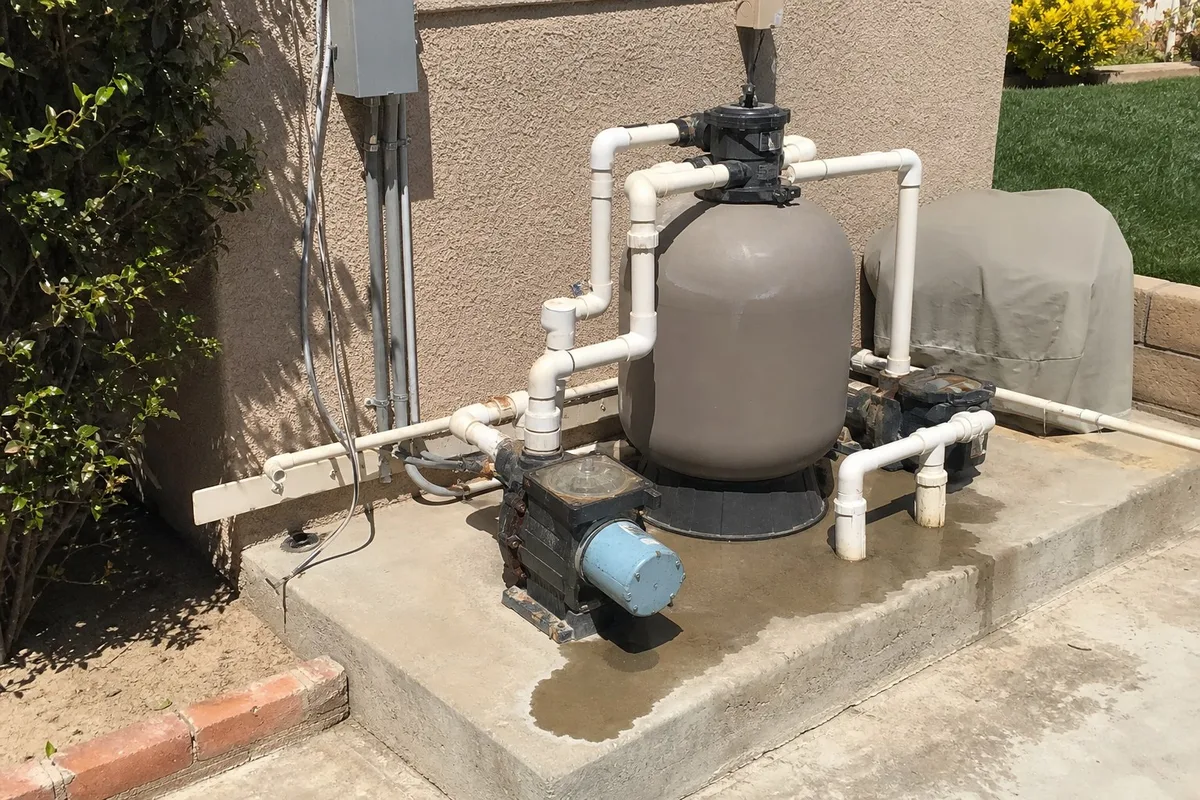
A pump dies the same way every time: it gets louder for a few weeks, then one morning the pad is quiet and the water is still. The question that follows is always the same too — what is this going to cost. Below is the honest breakdown for Los Angeles, including the part most national price guides skip: here you do not get to choose the cheap pump.
Quotes above $2,500 are not automatically wrong — a pad that needs electrical work, or a pump feeding a spa and water features, costs more. But you should be told which line item made the difference.
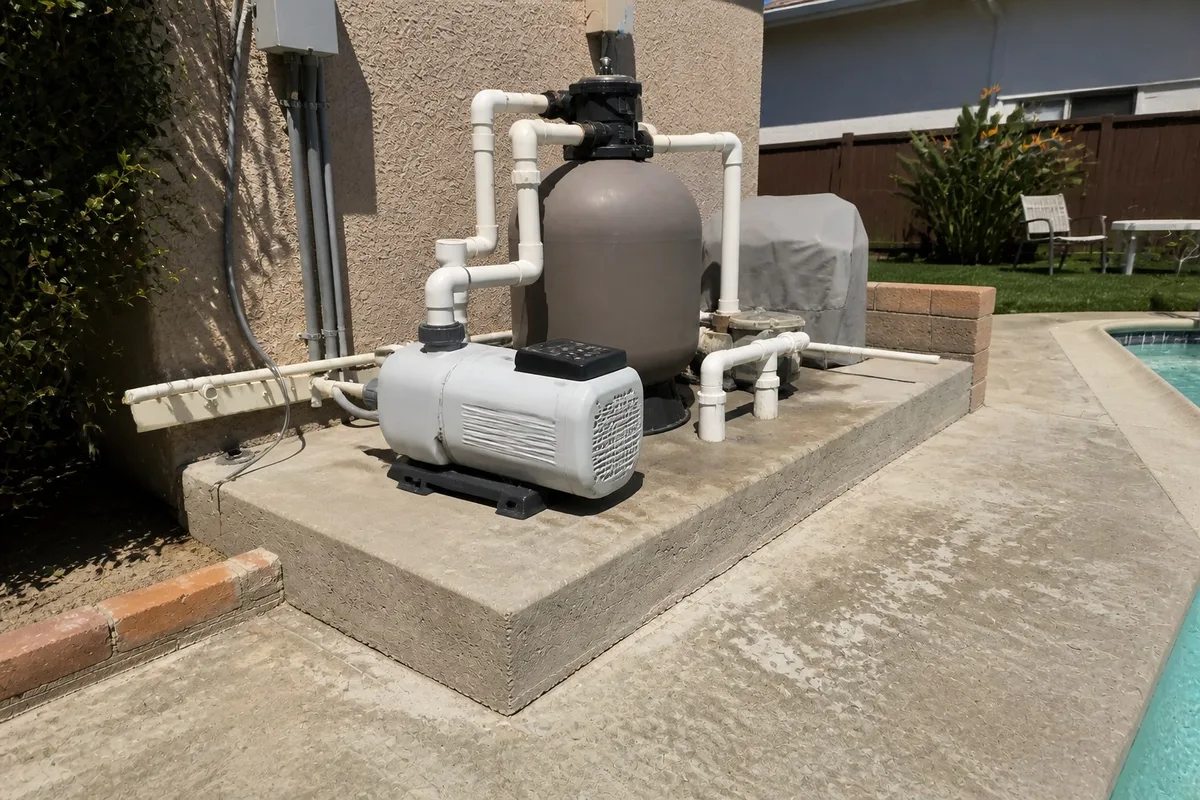
This is the bit that surprises people who priced a pump online. Under Title 20 of the California Code of Regulations, section 1605.3(g)(6), replacement pool pumps above a low horsepower threshold have to be variable-speed. The single-speed unit for $300 that comes up in search results is not an option on most LA pads — not because we prefer the expensive one, but because fitting it is not legal.
The upside is real money. A variable-speed pump running a sensible schedule saves up to $1,100 a year against an old single-speed motor running eight hours flat out. On a $1,800 pump that is payback inside two seasons — but only if somebody actually sets the schedule, which is the step most installs skip.
These are the ranges we quote today. Pump prices in particular move with the supply market, so ring (818) 740-6099 for the current figure rather than budgeting from a number read months ago.
Four of the six faults we see on pumps are repairs, not replacements, and a repair is a fraction of the cost. Worth fixing:
Replace, rather than repair, when:
We charge $0 for the diagnosis in our service area precisely because this decision should be made by somebody who has opened the pump, not by whoever wants to sell one.
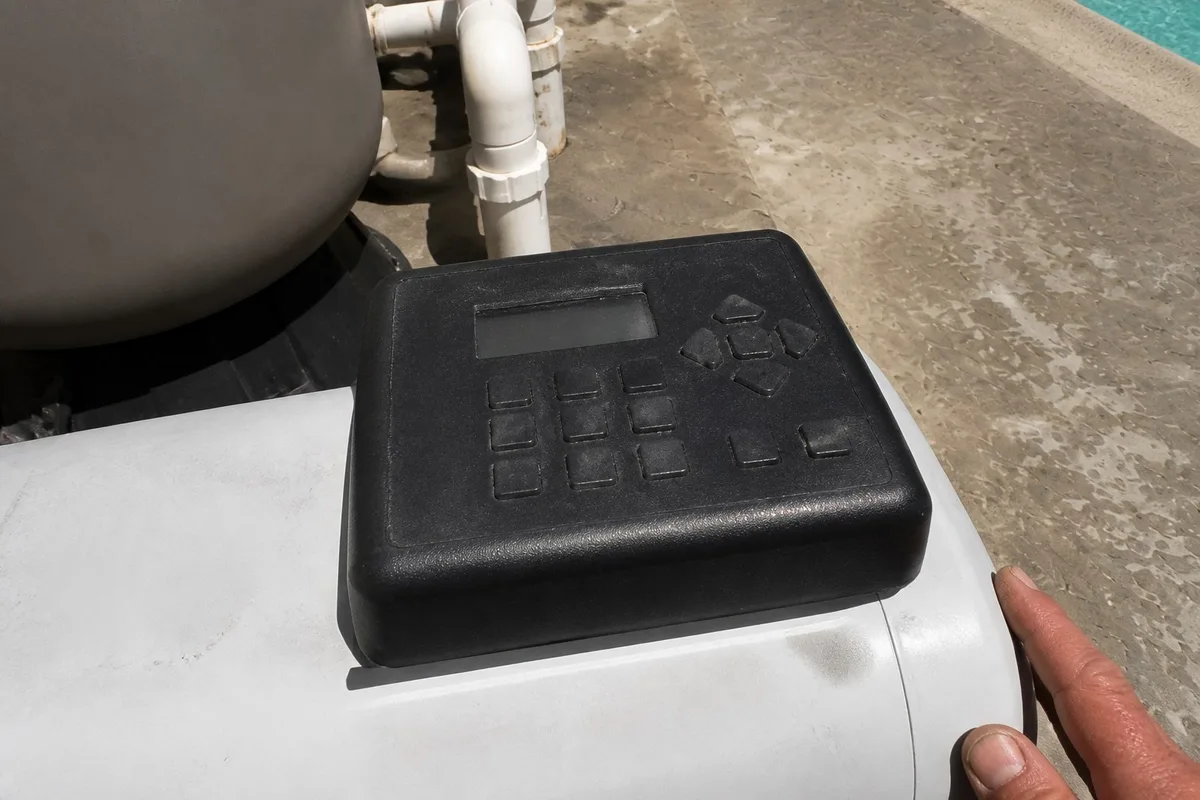
Eight to twelve years is normal for a well-kept pump in Los Angeles, and five to eight for one that runs hot, dry and full-speed all summer. The things that shorten it are all avoidable: running with a clogged basket, a filter nobody cleans, a pad in direct afternoon sun with no shade, and low water level pulling air through the seal.
If yours is past ten and making a new noise, it is worth planning the replacement rather than waiting for the morning it stops — an emergency swap in July costs the same money with none of the time to choose.
Physically, a pump swap is not difficult: two unions, two wires, four bolts. What catches people out is the rest of it. The electrical connection has to satisfy code and the pump has to be bonded. Variable-speed units need the schedule programmed or they save nothing. And a pump fitted by the owner is generally not covered by the manufacturer's warranty — on an $1,800 unit that is the whole saving gone the first time something fails.
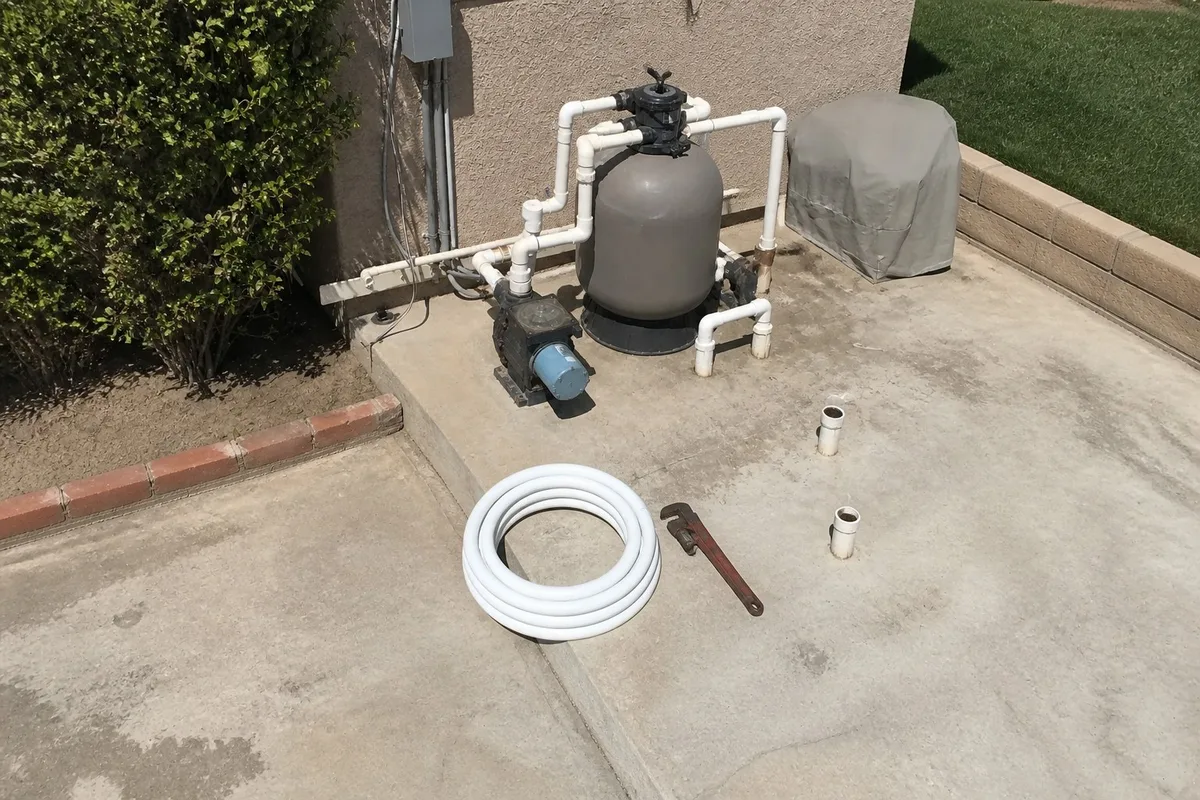
If you want a number for your own pad rather than a range, send us the model on the side of the pump and a photo of the equipment pad. That is enough to price it properly.
Eight to twelve years with decent care in Los Angeles; five to eight if it runs full speed all summer with a clogged basket or a dirty filter.
Often yes. Seals, capacitors, lids and blocked impellers are repairs, and a repair costs a fraction of a replacement. Failed bearings and a cracked housing are not worth fixing — see pump repair.
Grinding or screeching from the motor, water leaking from the housing rather than the seal, a second repair on the same pump inside a year, or a single-speed unit over ten years old.
Not for most replacements. Title 20, section 1605.3(g)(6) requires variable-speed above a low horsepower threshold, so the realistic floor is the price of a variable-speed pump.
They are the ranges we quote at the date on this article, and equipment prices move. Call (818) 740-6099 with the model on the side of your pump for the figure that applies now.
The plumbing is simple; the electrical work, bonding, programming and warranty are not. A self-fitted pump is usually outside the manufacturer's warranty.
The label on the side and a photo of the pad are enough to price the swap properly, including whether your pad needs electrical work. Or call (818) 740-6099
Written for Foothill and Valley homeowners.
Equipment, labour, and the California rule that picks the pump for you.

The quiet signals that a pump or heater is on its way out.
Los Angeles and the Valley
Diagnosis is $0 in our area, and four of the six common faults turn out to be repairs. If it is a replacement, you get the number before we order anything.