
Pool tiling
Rust repair and full tiling
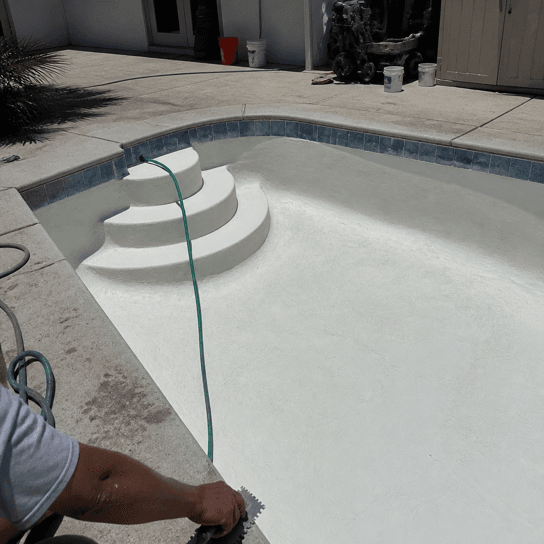
Hollow render and rust cut out, then the whole shell tiled.
Glendale
Structural repair
Cutting into a shell is specialist work. Reinforcement and plumbing both run inside the concrete and neither is visible. Cut a return line chasing a stain and a repair becomes a rebuild.
Licensed, insured and family-owned


Where the rust comes from
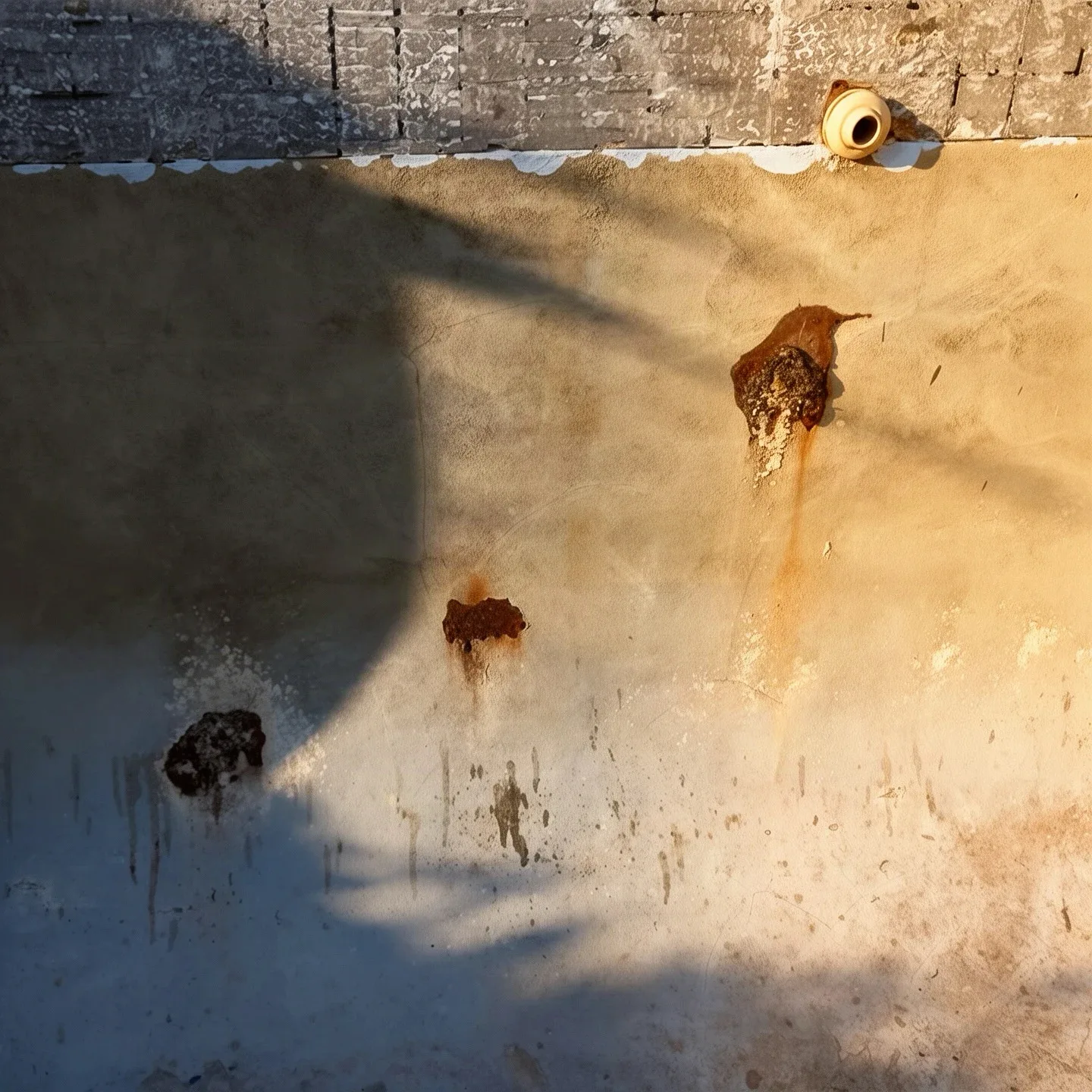
On the surface it reads as red or brown staining, and well advanced it goes green and black at the edges of the red — that is the wet chemistry around the corrosion, not a second problem. Underneath, the spot is always bigger than it looks, so covering it with a new interior during resurfacing only hides it for a season.
After the corroded metal is out there is often liquid rust still held in the concrete, so the area is flushed and treated before anything is rebuilt. Where the same cracking is also losing water, it is worth finding the leak first.
The crew
Four of us. The same faces every week, not whoever was free that morning.


This week on the job
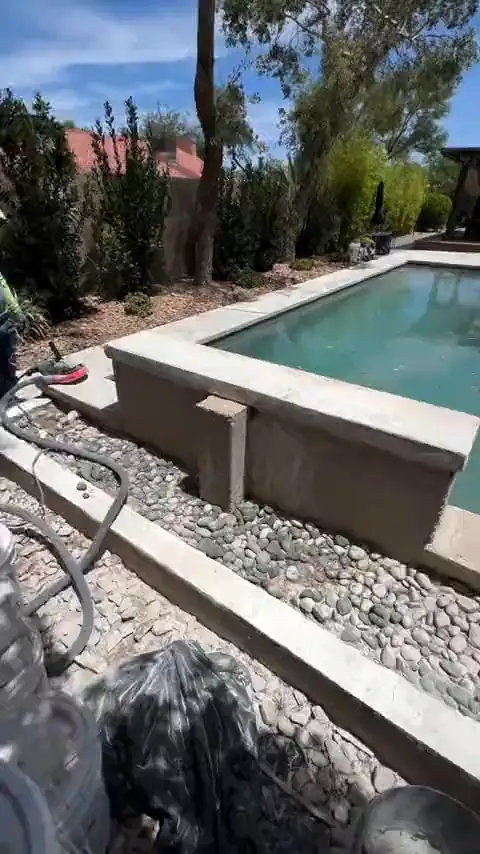
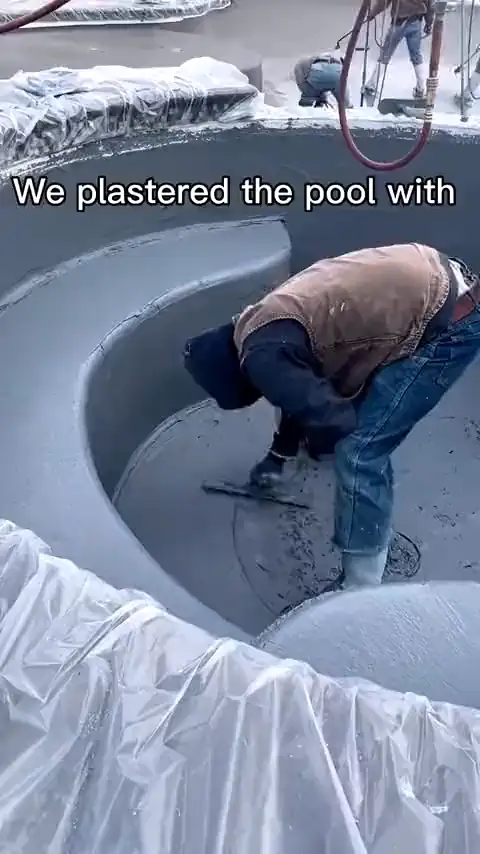
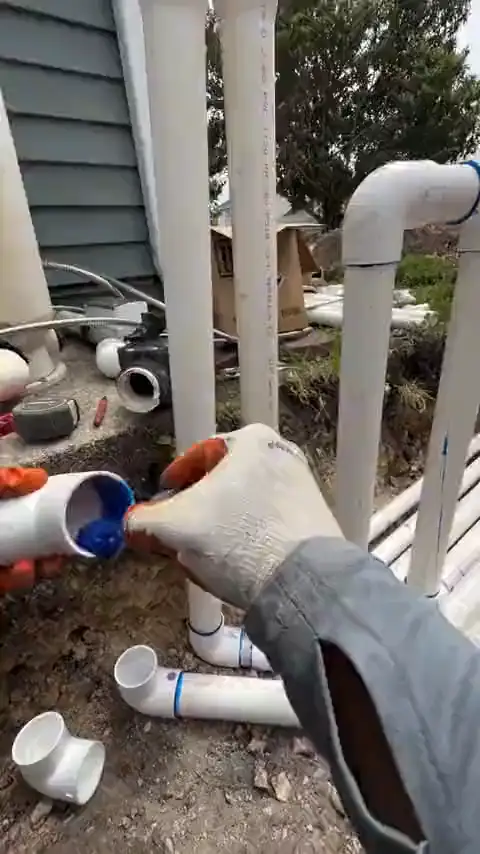
Short clips from real visits. Nothing staged, nothing bought from a stock library.

What drives it
Rust is an electrochemical reaction between metal, water, dissolved oxygen and pool chemicals. Fix the stain without fixing the driver and you do it again.
What rust actually does
Not acutely toxic, but a corrosive byproduct that causes health and structural problems if it is left.
The same crews cut out and rebuild
Hollow render and rust cut out, then the whole shell tiled.
Glendale
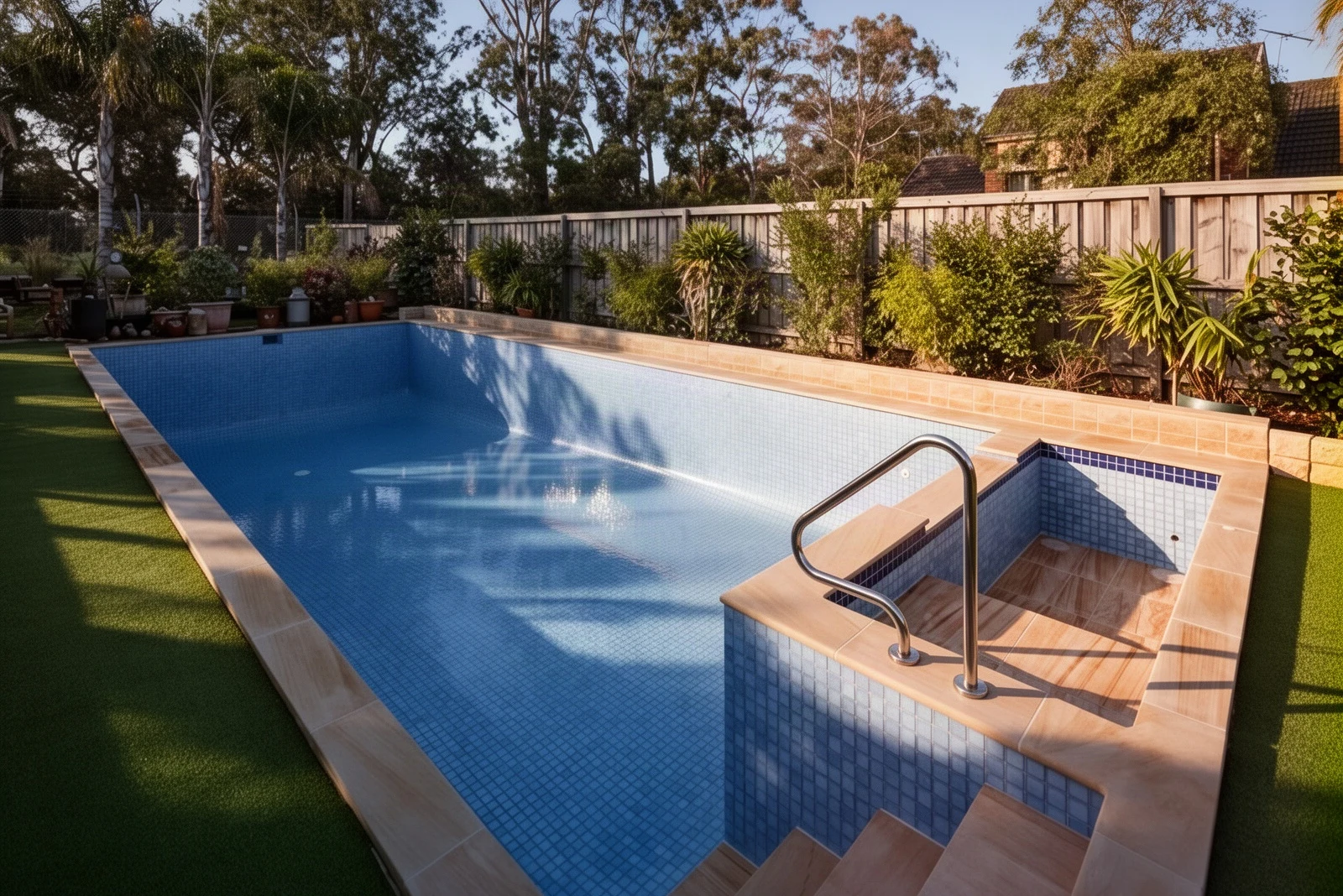
Out of repaints, so retiled, with sandstone paving around it.
Eagle Rock

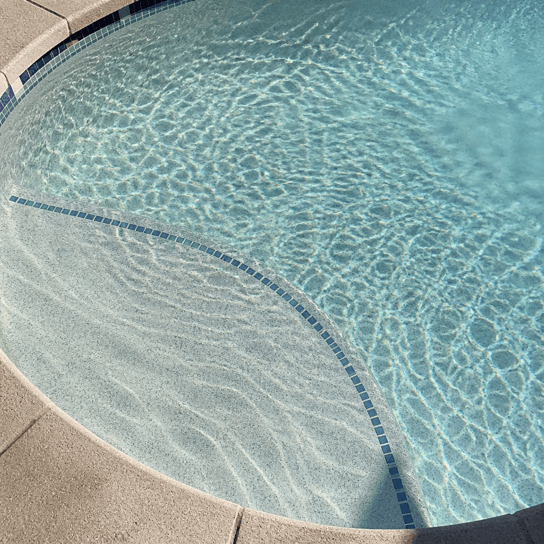
Grey tile across pool and spa, seen from the air.
La Cañada Flintridge

Two more examples
Steel near the face of the concrete rusts far sooner, because nothing keeps water and chloride away from it.


Collected from customers on the routes we run every week.
Thomas W.Verified review
Local Guide · 27 reviews · 9 photos
10 February 2025
Raymond K.Verified review
Local Guide · 52 reviews · 26 photos
20 November 2025
Karen V.Verified review
15 August 2026
Diane F.Verified review
6 reviews · 2 photos
6 January 2025
Mark H.Verified review
Local Guide · 42 reviews · 18 photos
3 September 2025

Linda R.Verified review
4 reviews
25 May 2026
Kevin B.Verified review
15 December 2025
Jason T.Verified review
25 February 2026
Great company. Always on time, pool looks amazing and communication is easy. Highly recommend.
Tell us what the pool needs, how big it is and your ZIP — and a price the same day.
Rewards
$100 for every friend you send us, up to two. No code, no form — they call and mention your name.

$100 credit
For every friend who calls and mentions your name
Up to two referrals, $200 in total. The name must come up on the first call. Spend it on any service.
20% off one-time work
For weekly maintenance members
Green-to-clean, acid wash, plaster start-up and repair labor, plus priority on the schedule.
Where we work
Crews leave from Studio City every morning, across the Foothills and the neighborhoods next to them.
Office · Studio City
Send a close photo of the stain and one of the whole wall. How far it has spread decides whether this is a patch or a run.
4121 Radford Ave, Ste. #214, Studio City, CA 91604Where this page leads next.



Missed weeks, a full basket, a filter nobody has opened.
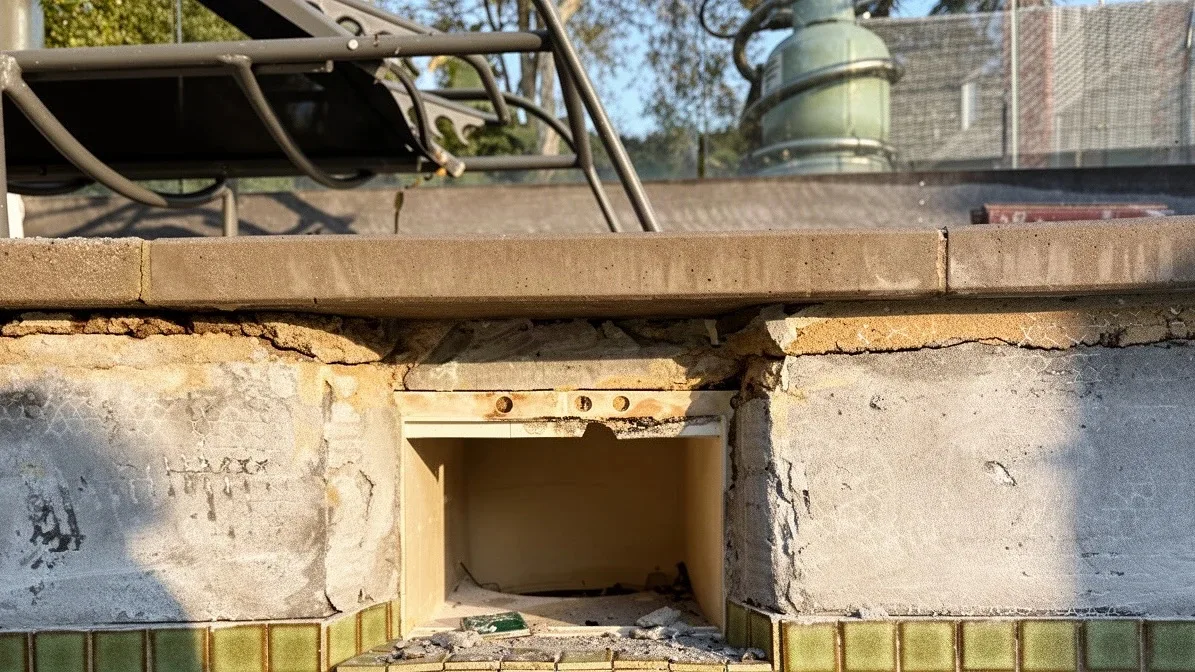
An electrochemical reaction between metal, water, dissolved oxygen and pool chemicals. The product is iron oxide, and when it is reinforcement corroding, the expansion cracks the concrete from the inside. That cracking is the real damage — the stain is only how you find out.
Not in brief contact. It irritates skin, eyes and lungs once it is disturbed or airborne, which is why removal is done with gloves and a mask and with people kept away from the pool. Where contaminated concrete leaches into the water it shifts pH and raises metal content, and swimmers get irritation that no amount of chlorine explains.
Cleaning takes the colour off the surface and leaves the cause underneath. Rust spots are always bigger below the finish than above it, and rust in reinforcement travels along the bar. Left alone the repair grows from one patch to a run, and from a run to a wall.
The concrete is opened up, the corroded metal is followed until there is no oxidation left, and all of it comes out. There is often liquid rust still held in the surrounding concrete afterwards, so the area is flushed and treated before the section is rebuilt.
Usually because it sits too close to the face of the concrete. In one example the bar was about three quarters of an inch from the surface, roughly a third of the cover it should have had. Sometimes it is simpler than that: somebody used steel that was not stainless, or stainless of the wrong grade, which in chlorinated water behaves like plain steel.
Yes. A new interior over corroding steel is undermined from behind, so the shell work comes first and resurfacing after it. The same rule applies where the cracking is also losing water.
Cleaning, recovery, repair and renovation across Los Angeles.
Deal with it while it is one spot
How far it has spread across the wall decides whether this is a patch, a run or a section rebuilt.