
Pool tiling
Rust repair and full tiling
Hollow render and rust cut out, then the whole shell tiled.
Glendale
One-time service
Also called a drain and clean. A very thin layer comes off the plaster, and the clean surface underneath becomes the one you look at.

Licensed, insured and family-owned


Before you book anything
Six things people describe when they call about staining. Only the first one is this job.
The plaster is gray and blotchy, and brushing does nothing
The marks are in the plaster rather than on it: years of sun, chemistry and old algae shadow. Chlorine and a brush cannot reach them, and a thin layer has to come off. This is the job.
There is a hard gray band along the tile at water level
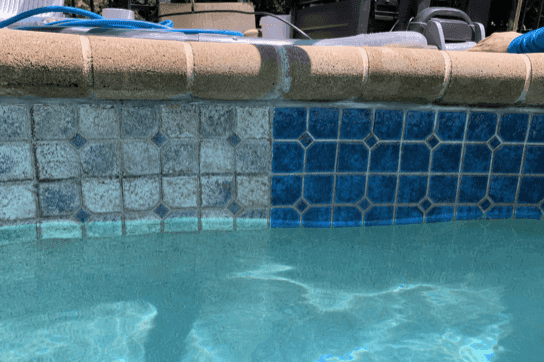
That is calcium on the tile, not staining in the plaster, and acid on the shell will not touch it. It comes off the tile itself, usually by bead blasting.
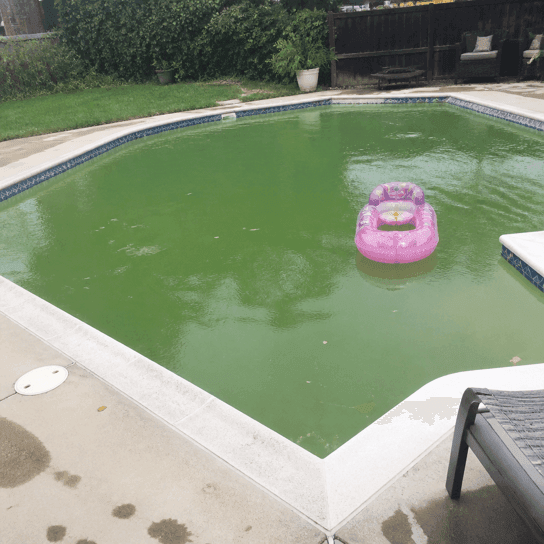
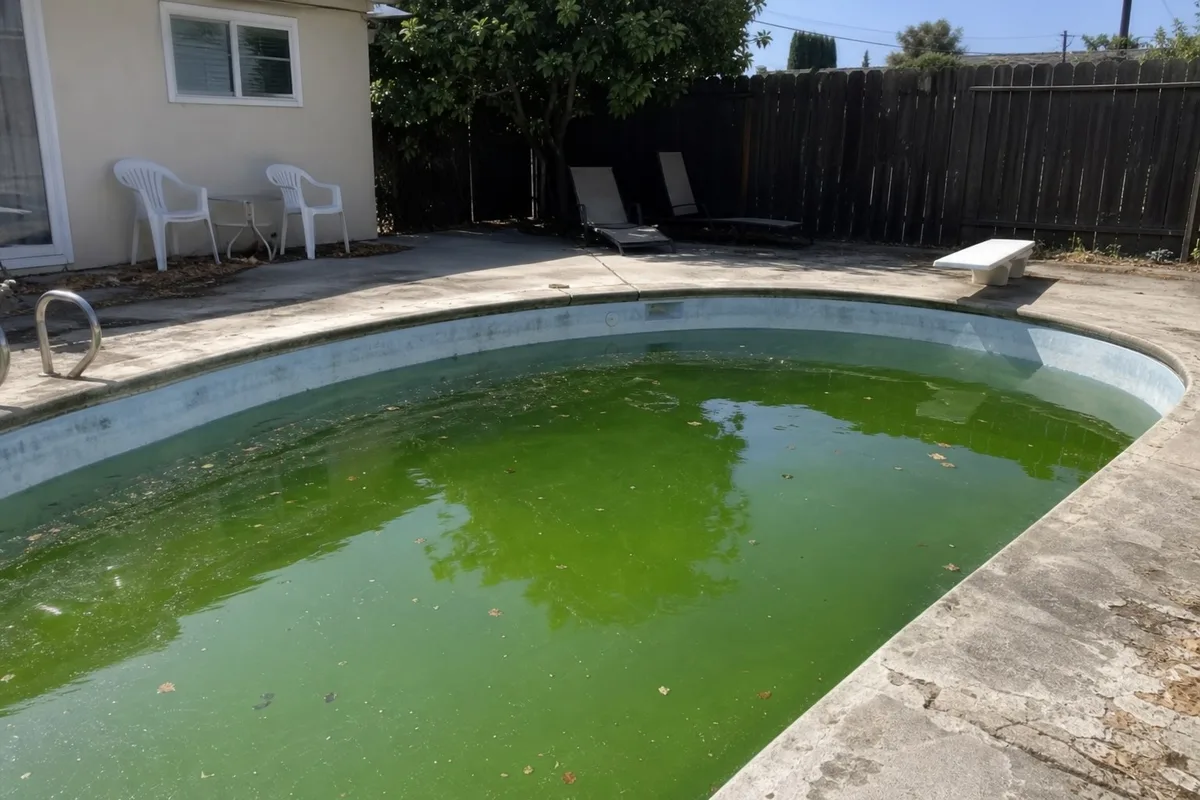
Pool tile cleaningThe water went green, and now the floor is stained
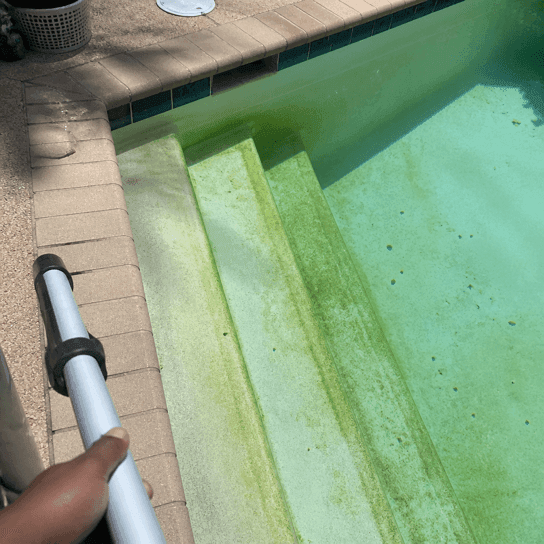
Two jobs in the right order. The water gets cleared first, because washing a shell you are about to refill with algae spores is money spent twice.
Green pool recoveryThe surface feels rough underfoot, like sandpaper
Roughness is a finish that has worn through rather than one that is dirty. An acid wash takes more of it away and makes it rougher, not smoother.
ResurfacingRust-colored stains keep coming back in the same spot
Staining that returns to one place is usually steel behind the plaster, not iron in the water. Acid lifts the stain and the steel puts it back within a season.
Rust repairIt was acid washed two years ago and it is gray again
Then the wash was treating a symptom. Plaster dulls that fast when calcium hardness or pH sits out of range, and each wash spends a finish you only get so much of.
Weekly service

What it is, and what it is not
Every wash spends part of a finish you only get so much of, so how often is safe is the part worth reading before you book one.
A wash exposes fresh plaster, so it is followed by the same programme we run on new plaster. After that, what decides the next wash is ordinary weekly chemistry.
Pricing
Priced per pool, not per square foot: it is a day of hand work inside one particular shell.

Prices as of August 2026. Size and depth, how deep the staining runs, whether there is a spa, and the pump run to the nearest sewer clean-out all move the number.
Before anyone drains anything
Discolored plaster has at least six causes, and only some of them answer to acid.
One day, start to finish
A pool drained, washed and refilling the same day spends the shortest possible time at risk.
The crew
Four of us. The same faces every week, not whoever was free that morning.


The same crews drain, wash and refill
Hollow render and rust cut out, then the whole shell tiled.
Glendale
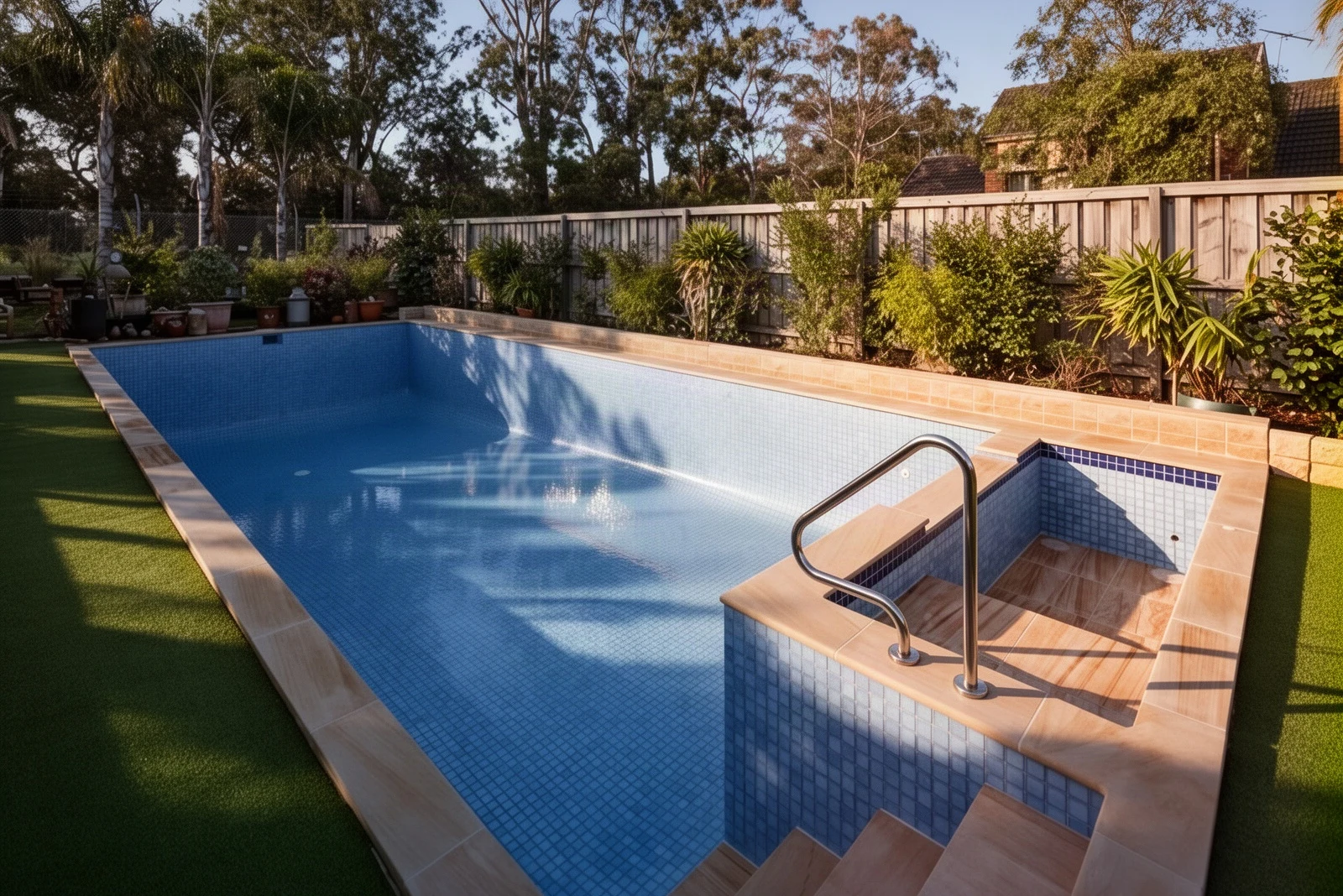
Out of repaints, so retiled, with sandstone paving around it.
Eagle Rock

Grey tile across pool and spa, seen from the air.
La Cañada Flintridge

Collected from customers on the routes we run every week.
Mark H.Verified review
Local Guide · 42 reviews · 18 photos
3 September 2025

Ashley P.Verified review
11 reviews
4 March 2026
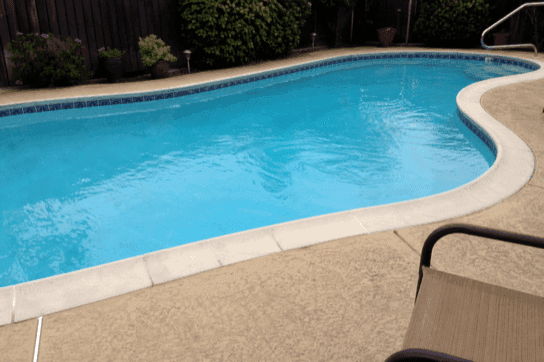
I don't usually leave reviews but these guys deserve it. My pool was a mess and I was tired of trying to fix the chemicals myself. They came out and took care of everything. Water is clear now and I don't have to worry anymore.
Chris F.Verified review
Local Guide · 61 review · 30 photos
10 April 2026
After winter our pool needed some serious attention. There was algae around the edges and the water was cloudy. They cleaned everything, balanced the chemicals and got it ready for summer.
Mark D.Verified review
11 May 2026

Nicole W.Verified review
9 July 2026
Kevin T.Verified review
26 April 2026
Ashley B.Verified review
18 March 2026
Melissa C.Verified review
9 reviews
5 April 2026

Tell us what the pool needs, how big it is and your ZIP — and a price the same day.
Rewards
$100 for every friend you send us, up to two. No code, no form — they call and mention your name.

$100 credit
For every friend who calls and mentions your name
Up to two referrals, $200 in total. The name must come up on the first call. Spend it on any service.
20% off one-time work
For weekly maintenance members
Green-to-clean, acid wash, plaster start-up and repair labor, plus priority on the schedule.
Where we work
Crews leave from Studio City every morning, across the Foothills and the neighborhoods next to them.
Office · Studio City
Hillside lots need a long pump run to the nearest sewer clean-out. Send your cross streets and we will say what the day looks like.
4121 Radford Ave, Ste. #214, Studio City, CA 91604Written for Foothill and Valley homeowners.
Shock doses by water colour, how long it takes, and why you should not drain.
Tell it from a stain, scrub it, hold the chlorine, and know when acid wash is next.
The range for chlorine and salt pools, why tablets push it up, and how to bring it down.
Stains coming off
Nothing staged, nothing bought from a stock library — the same work, filmed while it happened.
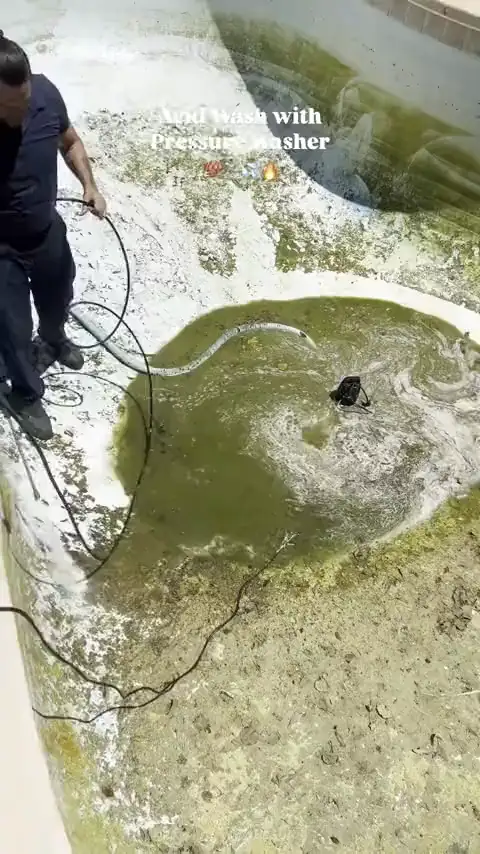
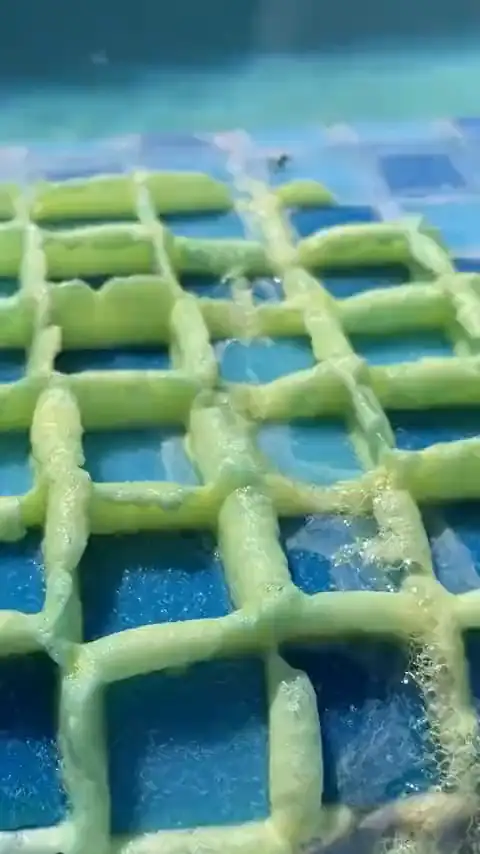
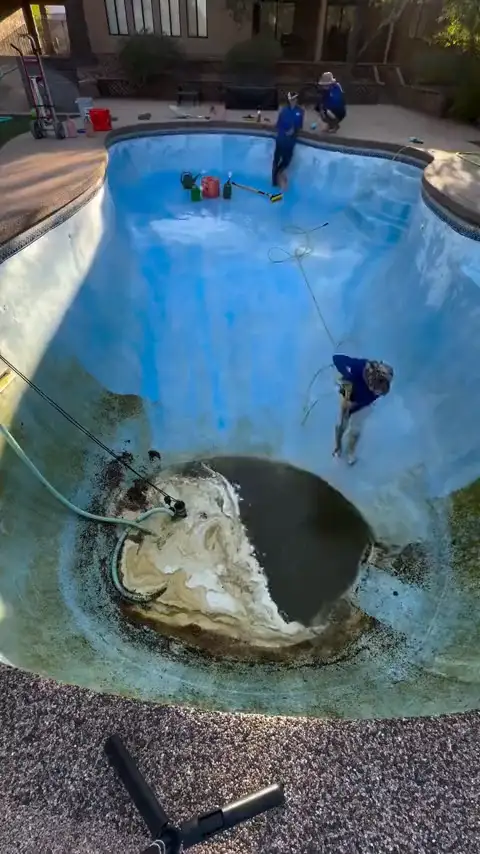

From $749, with a typical private pool between $749 and $1,250, and $1,650 and above for large pools, heavy staining or difficult access. It is priced per pool rather than per square foot, because the work is mostly time. Weekly maintenance customers take 20% off.
When the surface itself is discolored and the discoloration is organic or general: algae shadows left after the water cleared, black algae in the pores, or plaster gone blotchy over years. Not for metal staining, calcium silicate scale, or a finish worn through to the aggregate.
Yes — muriatic acid is diluted hydrochloric acid, and it is what is sold as pool acid. A small measured dose lowers pH on a service visit; a 50/50 mix with water strips a layer off drained plaster. The fumes damage lungs and eyes, which is why this is not a weekend project.
Chlorine wash first, wherever it will work: it bleaches out organic staining and removes no plaster at all. An acid wash removes material, so it is the stronger and more costly option. If the staining is set into the pores, acid is what will move it.
There is a no-drain technique, and it has a real use for descaling. It will not remove a layer of discolored plaster, so it does not bring a blotched finish back to one color, and it puts the whole body of water into an aggressive state that has to be corrected afterwards.
One properly done wash will not — pools are plastered with at least half an inch of reserve. The damage is cumulative: each wash leaves the surface more porous, so it stains faster and the next wash arrives sooner. On vinyl-liner and fiberglass pools it is destruction, not damage.
Five to seven years apart at the very closest, and two to four times in the whole life of one plaster finish. A pool is built with about half an inch of plaster to spend and every wash spends some of it. A pool that seems to need one every couple of years is not dirty — it is telling you the chemistry or the circulation is wrong, and washing it again only treats the symptom.
It is good for one particular job and bad as a habit. For organic staining set into the pores it is the only thing that resets the color, and the pool looks years younger the same day. As routine cleaning it spends a surface you cannot get back short of a replaster. Send a photo of the stain and a calcium hardness reading before you book one — the quote is free, and a fair share of what people ask a wash for turns out to be a chlorine wash or a tile job.
One day for the wash itself: drained in the morning, washed section by section, and refilling before evening, because bare plaster left standing dry in the sun crazes. Refilling a typical pool then takes the best part of a day on a hose. Swimming waits until the water is balanced, usually two to three days from the drain. A heavy wash exposes fresh plaster, so it is followed by the same programme we run on new plaster.
Cleaning, recovery, repair and renovation across Los Angeles.
Cheaper conversations first
A clear picture of the stained area and a calcium hardness reading answer most of the diagnosis.