

Water
Calcium nodules on pool plaster
Why white bumps grow out of cracks and loose plaster, how to tell them from scale, and when a patch is enough.
Article
A pump and a hose will empty a pool in a day. The harder question is whether to empty it at all, because an empty plaster pool is the pool most likely to be damaged.
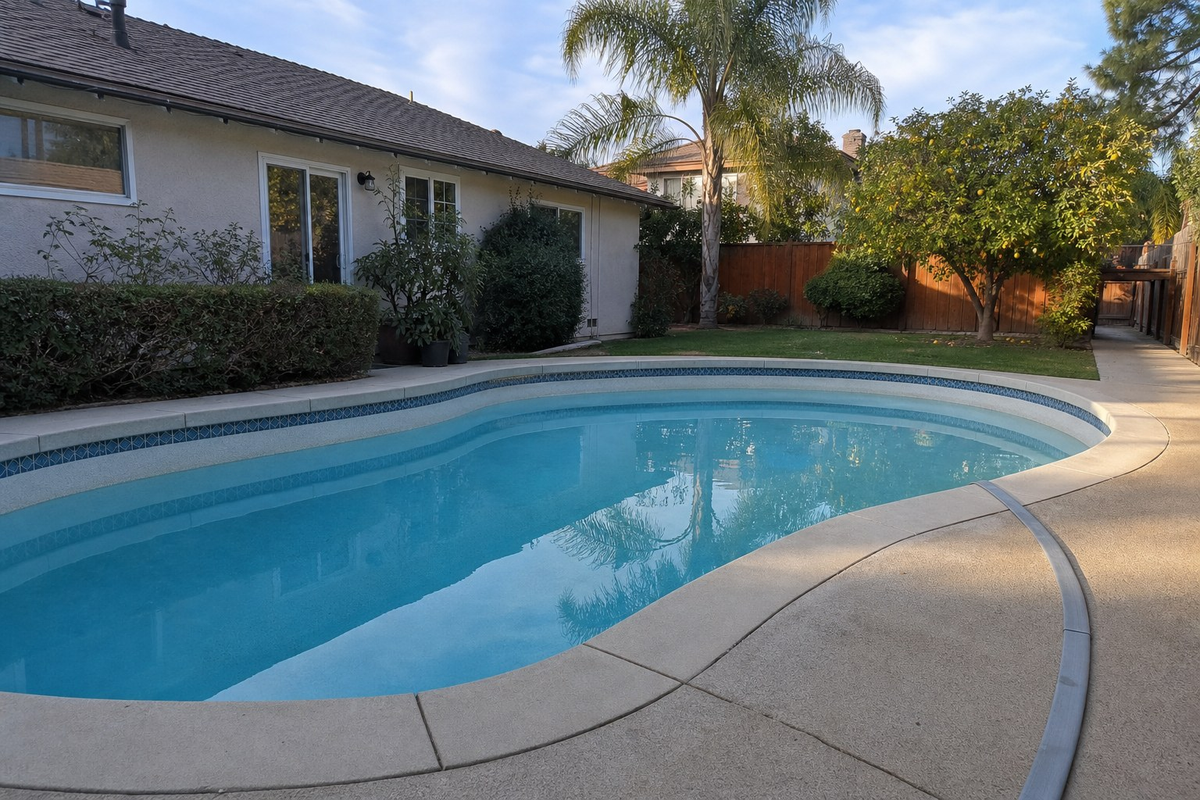
Most pages on this subject are a hose-and-pump tutorial, and the mechanics really are that simple. What they skip is that plaster is meant to sit under water, that groundwater can lift an empty shell, and that in Los Angeles the water has a legal place to go. This is the order to think about it in.
People drain a pool to fix a water problem far more often than a pool needs it. Most of these do not call for it:
A full drain is for work that cannot be done underwater: an acid wash, resurfacing, a structural or plumbing repair, or a pool that is coming out. If nothing on that list applies, leave the water in.
A full pool holds itself down. An empty one is a big shell buried in soil, and where the groundwater is high it can push the shell up out of the ground or crack it. That risk is highest after rain, so wait for dry weather, and ask before you drain if the yard is on a hillside or the soil has been wet. Our after-rain page explains why the water table is the thing to watch.
Heat matters too. Bare plaster left to dry in the sun can craze, so a drained pool should not sit for days. Pick a cool, dry spell, and plan to refill the same day the work inside is done.
Pool water is chlorinated, and storm drains run to the ocean without treatment, so the street and the gutter are out. The usual answer is the sanitary sewer clean-out on your own property, the same route filter backwash takes. LA Sanitation's guidance for residential pools points there, asks for the water to be dechlorinated first, and asks you to avoid draining in wet weather. Other cities in the county have their own rules, so check with yours before the first gallon.
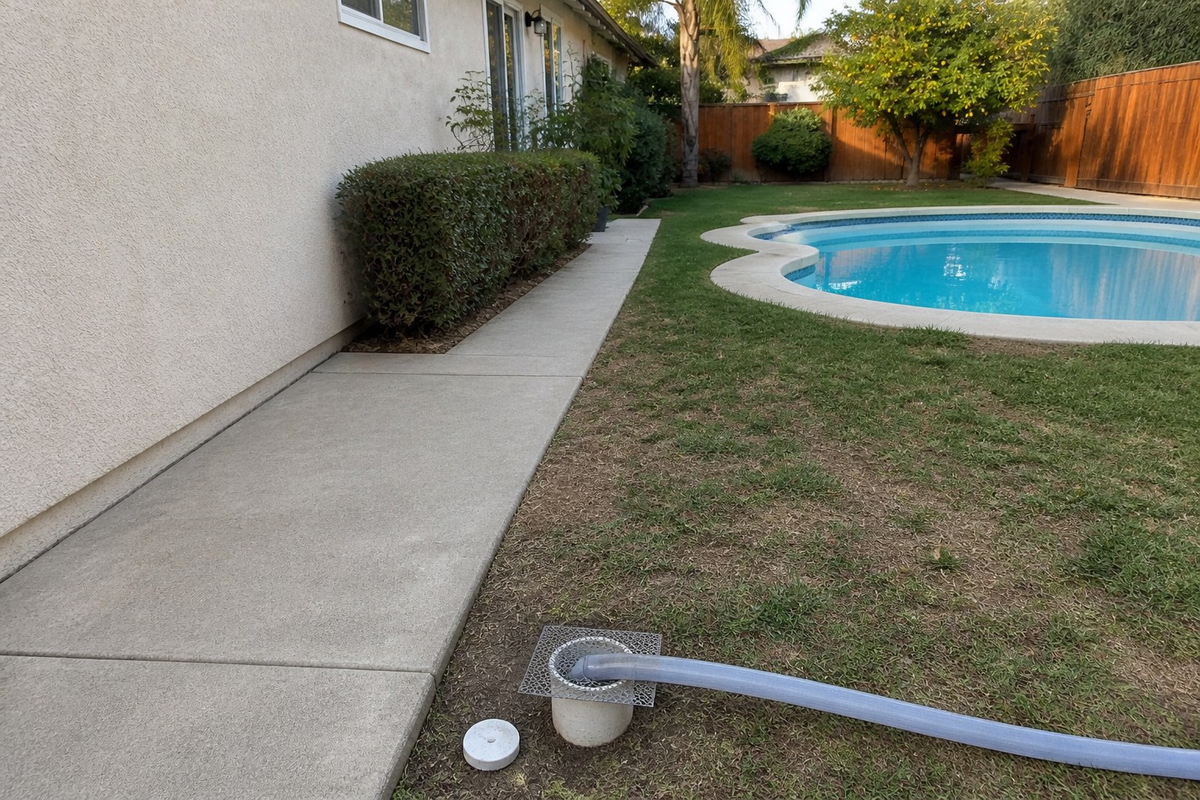
To dechlorinate, stop adding chlorine days ahead, including tablets in the feeder, and test until the reading is at zero. A neutralizer from a pool store speeds it up. If you cannot find the clean-out or are unsure it is the sewer line, stop there: sending water into the wrong pipe is the one mistake that cannot be undone.
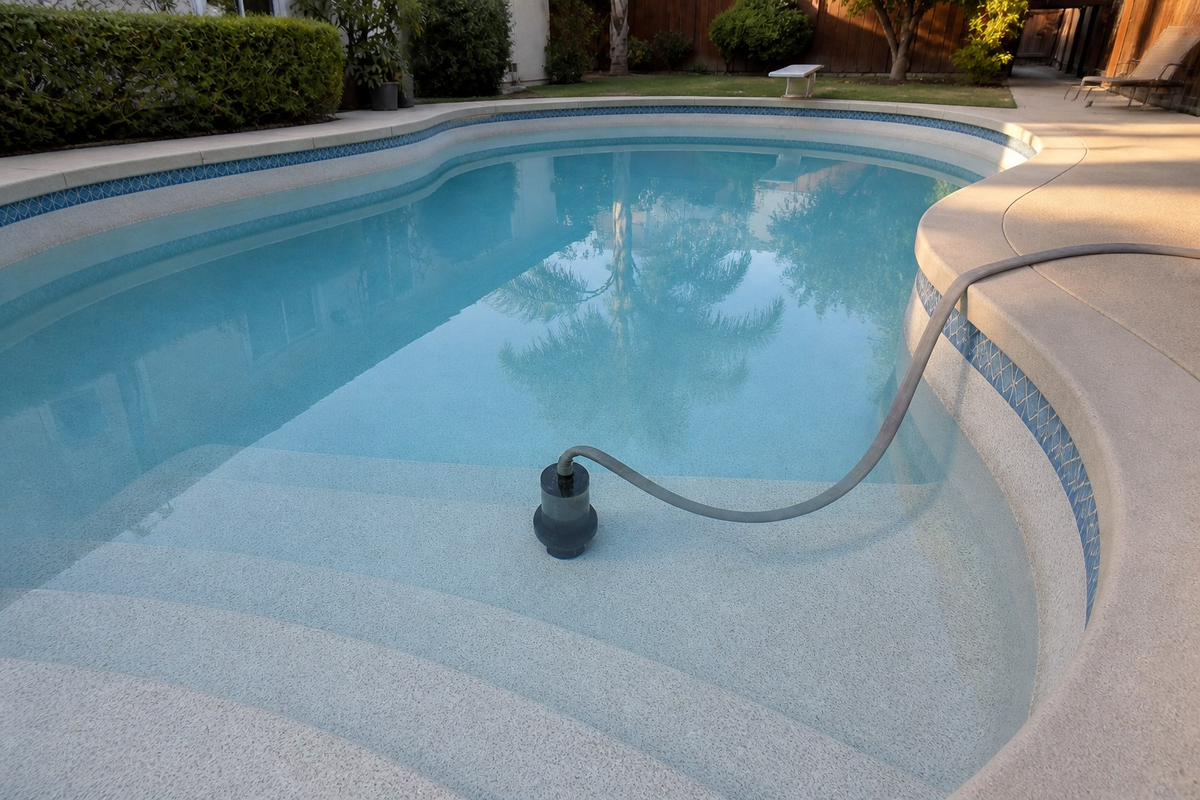
Our price list puts most Los Angeles back-yard pools at 15,000 to 25,000 gallons. A small utility pump moves roughly 30 to 50 gallons a minute, which is our estimate and not a rating for any one model, so a 20,000-gallon pool takes around eight hours. A garden hose on its own is far slower, closer to days than hours. The last inch or two is slower again and ends with a mop or a wet vac.
Start the hose as soon as the shell is done. Stopping mid-fill can leave a ring on the plaster, and a hose fill takes the best part of a day, as our acid wash page notes. Watch the level so it stops at the middle of the tile line. The fresh water arrives with no chlorine and no stabilizer, so test it once it is full and bring it back up in order.
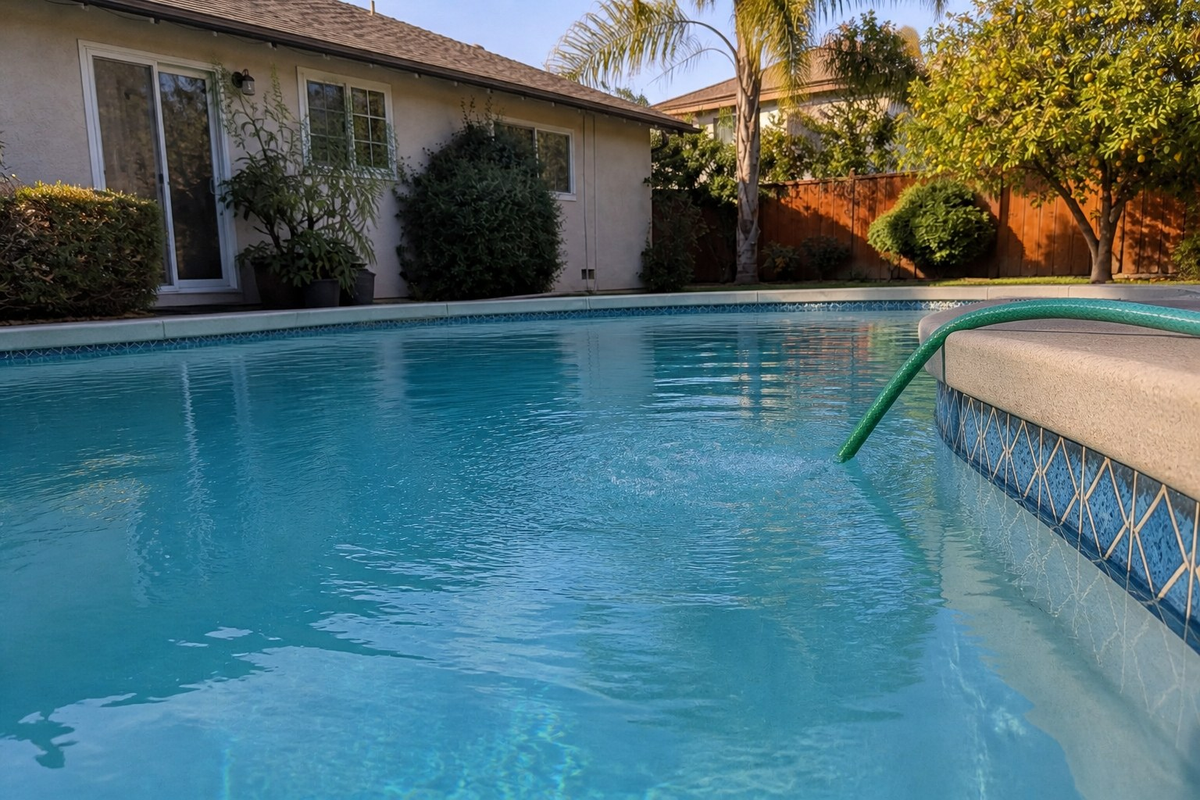
Doing it yourself costs a pump rental, a day of watching, and the water to refill. If the reason for draining is plaster that needs washing, we do the whole job: a drain and clean, from $749 for the pool, as the acid wash page shows, with the pool refilling inside the same day.
Not sure the pool needs draining? Send us the symptoms and your last readings and we will tell you before anyone touches a valve, or call (818) 740-6099.
With a submersible pump, a typical Los Angeles pool takes most of a day, and the last inch or two is slow. A garden hose alone takes days. These are estimates: the pump and the pool size set the real figure.
No. Pool water is chlorinated, and storm drains run to the ocean untreated. Use your property's sanitary sewer clean-out after dechlorinating, and check your city's rules first.
Yes. Without the weight of the water, groundwater can push on the shell, and plaster left dry in the sun can craze. Drain in dry weather and refill the same day.
Usually not. Green water is a chemistry problem and can be cleared with the water in. Draining adds risk and a refill bill without solving the cause.
A hose fill takes the best part of a day for a typical pool. Test the new water once it is full, because it starts with no chlorine and no stabilizer.
Tell us what you are seeing in the water or on the plaster. We will say whether it needs draining, and what it would cost if it does. Or call (818) 740-6099
Written for Foothill and Valley homeowners.
Why white bumps grow out of cracks and loose plaster, how to tell them from scale, and when a patch is enough.
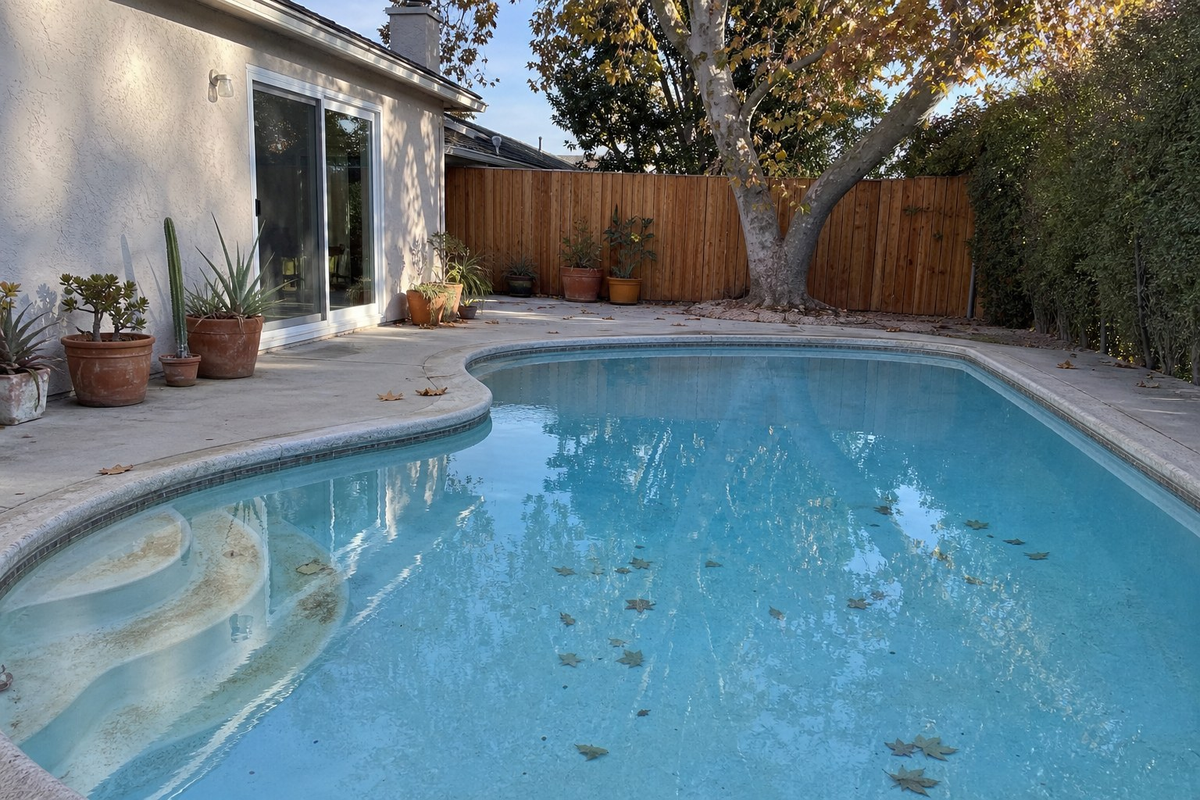
Two spot tests that tell leaf from metal, then chlorine or ascorbic acid with the water in, and where home methods stop.
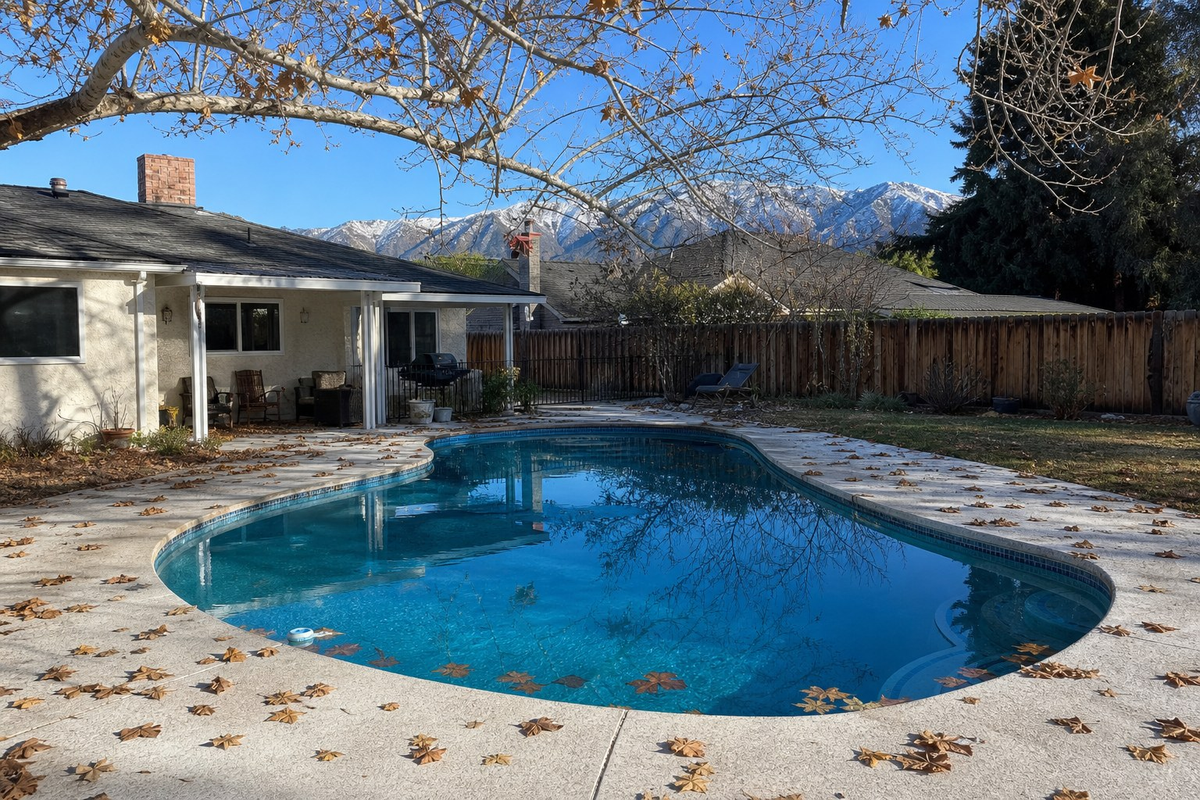
Why you should not drain it, the four things that really change, and the few nights that freeze.
Los Angeles and the Valley
We drain to the sewer, wash the plaster and refill inside the same day. A drain and clean starts at $749.