
Weekly maintenance
The whole panel every visit, including calcium hardness and phosphate — the two readings that tell you what the wind has been doing.
Foothill wind and ash load mean Altadena pools need the filter watched more closely than the calendar suggests.

Licensed, insured and family-owned


Most calls start here
Four things, and none of them is really about leaves.
A fine gray film returns a day after every clean
Wind-borne ash and mineral dust are too fine for the skimmer. They sink, get stirred up and settle again — a vacuum-and-filter problem, not a chemistry one.
Filter cleaningAsh does not just dirty the water, it moves it
Wood ash is alkaline. Enough of it pushes pH and alkalinity up, which makes chlorine lazy, and the organic fraction adds phosphate — algae food.
Weekly serviceCalcium climbs because the wind takes the water
Every inch that evaporates leaves its calcium behind and the auto-fill adds more. Scale lands on the tile line and inside the salt cell.
Salt system repairA windy week drops the level and the pump pays for it
Below the skimmer throat the pump pulls air, loses prime and can run dry. Auto-fills fail silently, so the first sign is a noisy pump.
What we repairWhy Altadena is different
Altadena sits a few hundred feet above Pasadena on the open fan below the San Gabriels. Down the hill the problem is leaves; up here it is everything the canyon wind carries.
Fine grit, dust and ash sail straight past a skimmer basket and load the cartridge instead. A pool in 91001 can look clean at the surface and still need its filter every week.
Foothill top-up water is hard and a windy site evaporates hard, so calcium concentrates faster here — see what pool service costs.
 After
After Before
What we do for Altadena pools
Dust and hard fill water change which service a pool needs, and when.
The whole panel every visit, including calcium hardness and phosphate — the two readings that tell you what the wind has been doing.

Phosphate-fed algae moves fast in warm water. About two days, no draining, and the filter cleaned two to three times during it.

For a shell gone gray and blotchy rather than merely dirty. It removes a thin layer of plaster, so it is done rarely and deliberately.

Salt cells scale first in hard water; auto-fills and heaters are next. Pumps, filters, plumbing, lights and automation too.

Hard fill water makes the first four weeks fussier: hardness at 200–400 ppm, pH 7.2–7.6, brushing daily, no salt for 28 days.
Pricing
Volume decides chemical demand, so it decides the price. Typical homes land between $179 and $249 a month. Chemicals included, no minimum contract.


Prices as of August 2026, for a pool in normal condition.
One-time work
Quoted on the job, because nobody can price a green pool from a web form.
Worth mentioning when you call
Altadena is served on the days that climb the hill out of Pasadena. Send the cross streets and we will name the day.
The crew
Four of us. The same faces every week, not whoever was free that morning.


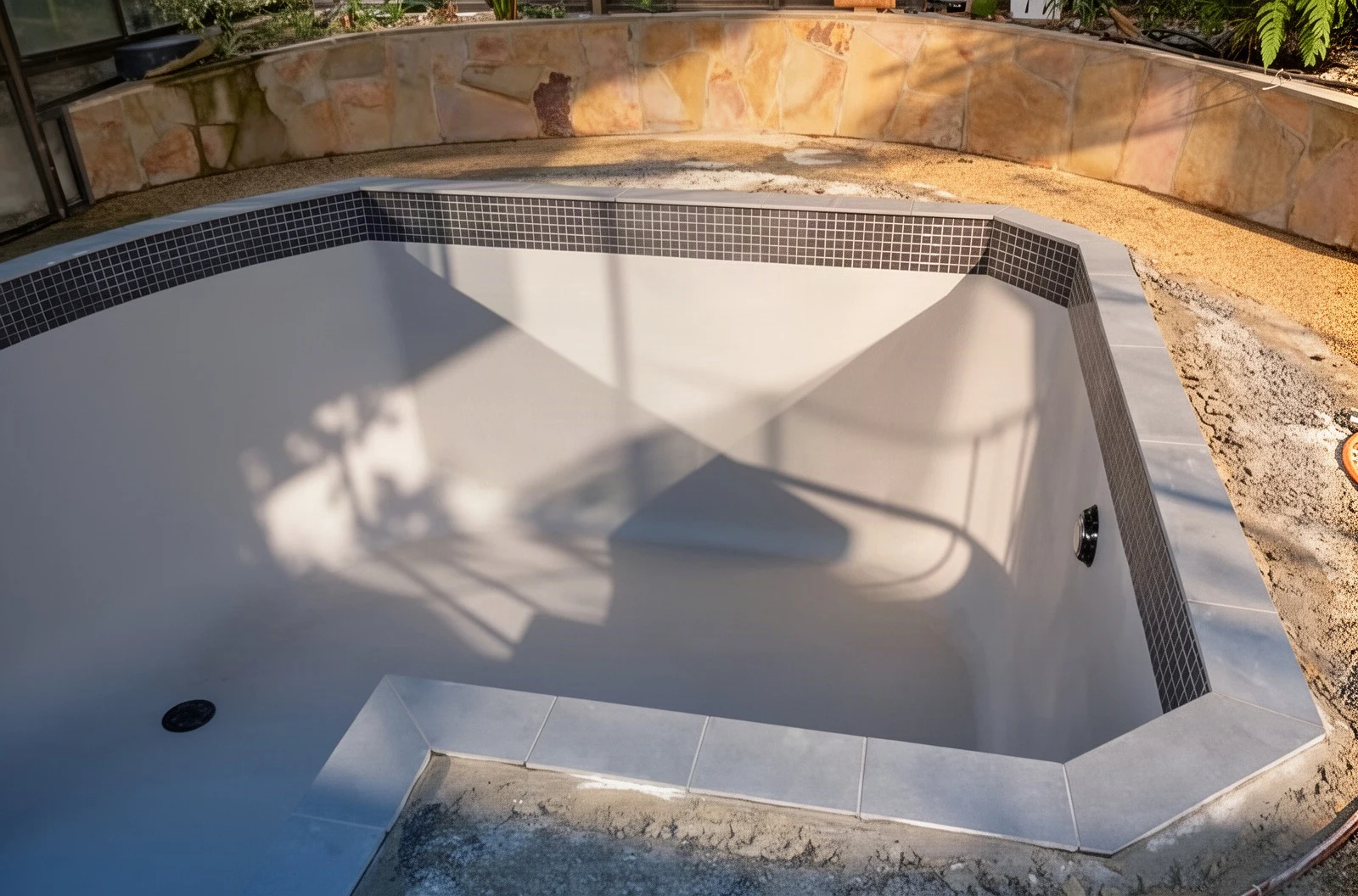
An Altadena job, start to finish
A seventies outdoor pool that a later extension enclosed indoors: cut back, rebuilt on one side and finished as one pool.
A straighter footprint, proper access all the way round the water, and a new interior in a room that finally works.
Nearby, and on the same routes
Pasadena, La Cañada Flintridge and La Crescenta share the hill days that serve Altadena.

Hollow render and rust cut out, then the whole shell tiled.
Glendale
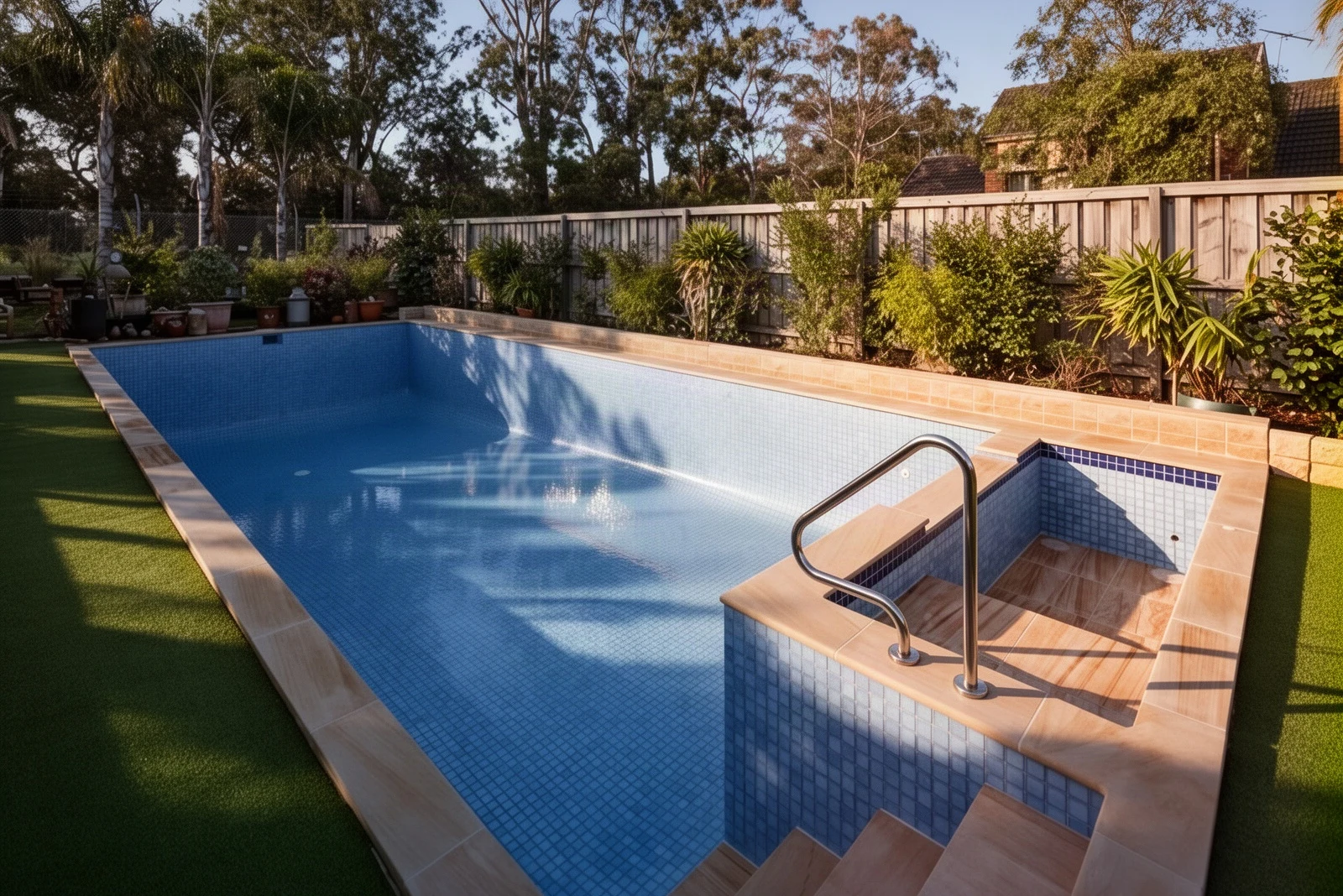
Out of repaints, so retiled, with sandstone paving around it.
Eagle Rock

Grey tile across pool and spa, seen from the air.
La Cañada Flintridge

Step by step
The structural work underneath decides how the finish reads.


Mark H.
Local Guide · 42 reviews · 18 photos
3 September 2025

Linda R.
4 reviews
25 May 2026
Kevin B.
15 December 2025
Jason T.
25 February 2026
Great company. Always on time, pool looks amazing and communication is easy. Highly recommend.
Ashley P.
11 reviews
4 March 2026
Thomas W.
Local Guide · 27 reviews · 9 photos
10 February 2025
Rachel M.
17 October 2025
We thought we needed a completely new pool system. Turns out it was just a few issues with the pump and filter. They saved us a lot of money by fixing what actually needed fixing.
Jennifer C.
Local Guide · 15 reviews · 4 photos
7 September 2025
Tell us what the pool needs, how big it is and your ZIP — and a price the same day.
Rewards
$100 for every friend you send us, up to two. No code, no form — they call and mention your name.

$100 credit
For every friend who calls and mentions your name
Up to two referrals, $200 in total. The name must come up on the first call. Spend it on any service.
20% off one-time work
For weekly maintenance members
Green-to-clean, acid wash, plaster start-up and repair labor, plus priority on the schedule.
Where we work
Crews leave from Studio City every morning. Open any area for what is different there.

Send your ZIP or cross streets. We come back the same day with the day we would be there — and what weekly service would cost on your pool.
Or call (818) 740-6099
Written for Foothill and Valley homeowners.

Water has no colour of its own — the interior gives it one.


Not stock footage
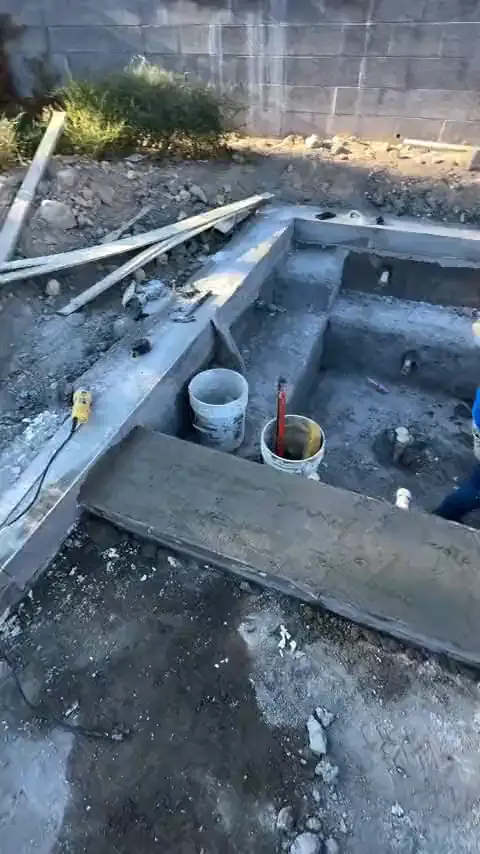
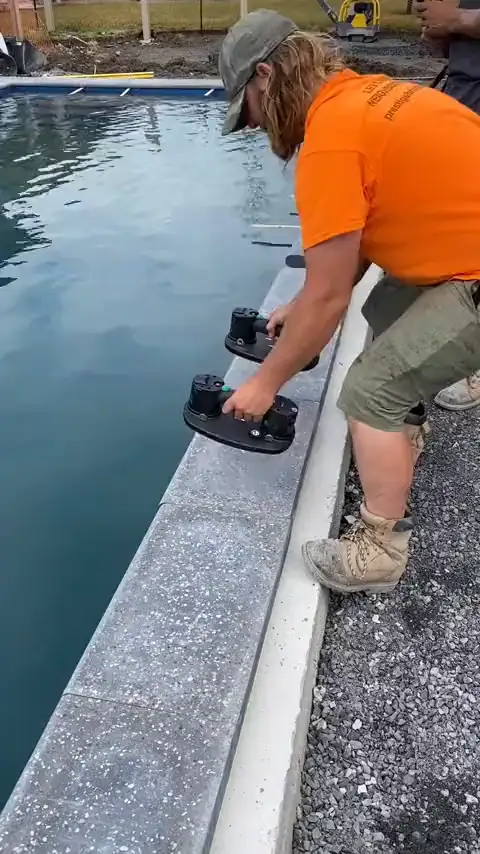
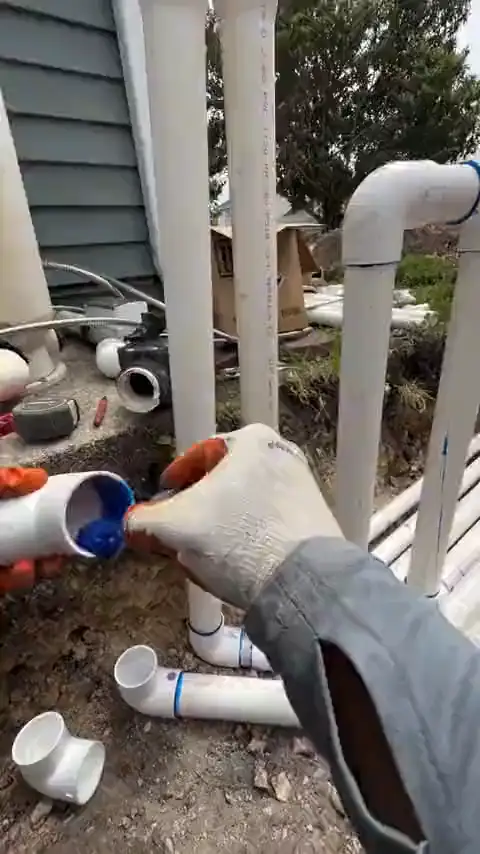
Filmed on the Altadena route and the streets next to it. Nothing staged, nothing bought from a stock library.

Almost always wind-borne ash and mineral dust rather than algae. Brush a patch to tell: dust puffs into a cloud and drifts back down, algae smears and clings. It gets vacuumed out and caught by the filter, which is why pressure rises sooner than usual.
It changes it. Ash is alkaline, so a heavy load pushes pH and total alkalinity up, and chlorine works poorly at high pH. The organic part adds phosphate, which algae feed on. After a dusty stretch the useful readings are pH, alkalinity and phosphate.
Not usually, and not quickly. Calcium is the one reading you cannot lower by adding something — it only comes down by dilution. In practice: hold the balance, brush, watch the tile line and the salt cell, and replace part of the water only once the number has run away.
Often it is just evaporation: wind over an open pool takes water fast, and an exposed Altadena garden loses more than a sheltered one. A bucket of pool water left on the step settles it — it drops at the pool's rate if the cause is evaporation, slower if the pool is leaking.
Weekly service starts at $159 a month for a pool up to 15,000 gallons and runs to $249 a month for pools over 40,000, with standard chemicals included. Most customers pay between $179 and $249. Altadena is priced the same as everywhere else on our routes — the address does not change the number, the pool does. One-time work is quoted on the job: green to clean from $349, acid wash from $749, equipment repair at $175 an hour.
Cleaning, recovery, repair and renovation across Los Angeles.
Nearby, and on the same routes
Cross streets, pool size, salt or chlorine, and how exposed the garden is. Enough for a real number and a day.


